Reading Houston: Books About Houston’s Culture & History
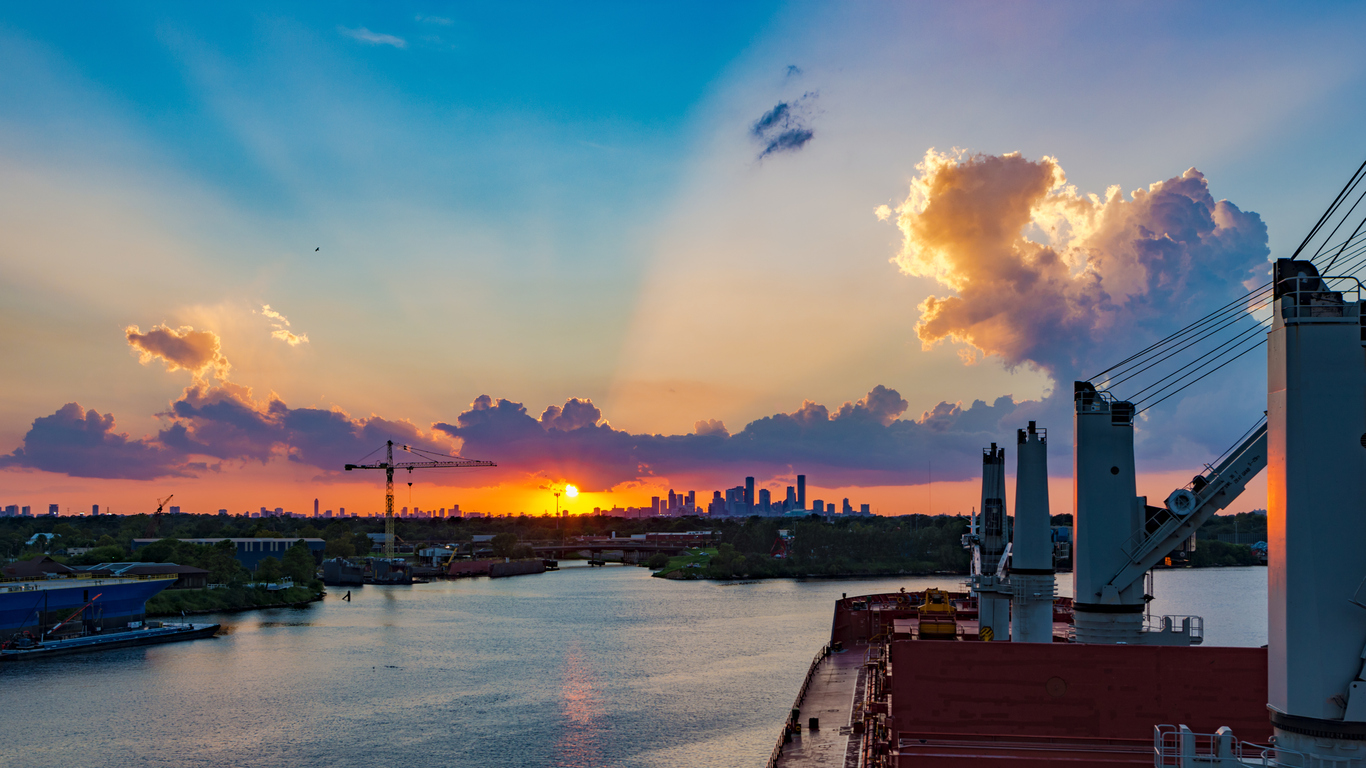
Houston’s story is one of industry, migration, music, and reinvention, and the best way to understand it is through books that explore its many layers. From oil booms and historic neighborhoods to groundbreaking music scenes and modern identity, Houston’s cultural history reflects a city constantly evolving. These recommended themes and titles help you explore how Houston became one of the most diverse and influential cities in the United States.
The Oil Industry and the Foundations of Modern Houston
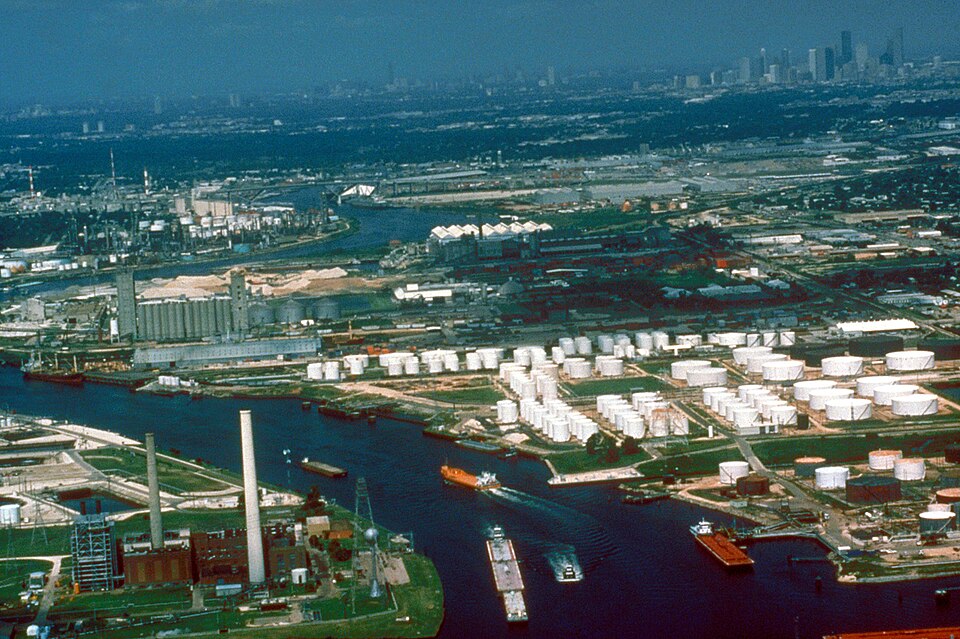
Houston’s rise as a global city is closely tied to the Texas oil boom of the early 20th century. After the Spindletop discovery in 1901, oil companies increasingly moved operations to Houston due to its rail connections and proximity to the Gulf Coast. Entrepreneurs like Joseph Cullinan, founder of The Texas Company (later Texaco), played a major role in establishing Houston as a refining and shipping hub. Civic leader Jesse H. Jones helped attract investment and infrastructure that supported rapid growth. The opening of the Houston Ship Channel in 1914 transformed the city into a major international port, solidifying its role in energy, shipping, and trade. Suggested reading:
- The Houston Story by Marilyn McAdams Sibley
- Houston: The Unknown City by David G. McComb
From Ship Channel to Skyline: Houston’s Urban Growth
View this post on Instagram
Houston’s transformation from a small trading post into the fourth-largest city in the United States is well documented through historical accounts and photography collections. Population growth accelerated in the early 1900s alongside industrial expansion, and the skyline evolved rapidly through the mid-20th century. Flooding events—such as Tropical Storm Allison in 2001 and Hurricane Harvey in 2017—highlight the city’s ongoing relationship with water management and urban planning. Books that combine visual archives with historical context provide a compelling look at Houston’s development. Suggested reading:
- Houston Then and Now by David W. Baugh
- Images of America: Houston series
Houston’s Blues, Jazz, and Cultural Roots
Houston’s music scene reflects its deep cultural diversity, particularly in historically significant neighborhoods like the Third Ward and Fifth Ward. Artists such as Sam “Lightnin’” Hopkins helped shape Texas blues, while Houston’s location brought together influences from African American, Mexican American, and Creole communities. Dowling Street in Third Ward became a major entertainment corridor during the mid-20th century, showcasing jazz, blues, and emerging regional sounds that defined Houston’s cultural identity. Suggested reading:
- The Roots of Texas Music by Lawrence Clayton
- Blues in Houston (regional music histories and essays)
The Birth of Chopped and Screwed Music
Houston’s modern cultural influence is perhaps best known through the creation of chopped and screwed music, pioneered by DJ Screw (Robert Earl Davis Jr.) in the 1990s. By slowing down tracks and remixing beats, DJ Screw created a distinctive sound that became central to Houston hip-hop culture and influenced artists nationwide. The Screwed Up Click (S.U.C.), including artists like Lil’ Keke and Fat Pat, helped bring the style into the mainstream, making Houston a major force in music innovation. Suggested reading:
- DJ Screw: A Life in Slow Revolution by Lance Scott Walker
Houston’s History Through True Crime and Social Change
Houston’s past includes difficult and complex chapters that have shaped public awareness and policy. Cases such as the Dean Corll murders (1970s) and the Andrea Yates case (2001) received national attention and revealed deeper conversations around crime, mental health, and community systems. Rather than defining the city, these events provide context for how Houston has evolved in areas such as law enforcement, social services, and public safety. Suggested reading:
- The Man with the Candy by Jack Olsen
- Deliver Us from Evil by Ken Englade
Houston Baseball: From Colt .45s to World Series Champions
View this post on Instagram
Houston’s sports history reflects the city’s growth and resilience. The Houston Colt .45s, established in 1962, became the Houston Astros in 1965 with the opening of the Astrodome—the world’s first domed stadium. The team’s journey includes the “Killer B’s” era with Craig Biggio and Jeff Bagwell, leading to championship success with World Series titles in 2017 and 2022. These milestones highlight how sports culture contributes to Houston’s identity. Suggested reading:
- Houston Astros: Deep in the Heart by Brian McTaggart
Historic Theaters and Houston’s Entertainment Evolution
Houston’s entertainment scene evolved from early nickelodeons in the 1900s to grand movie palaces in the 1930s. Landmarks such as the River Oaks Theatre, Alabama Theatre, and Majestic Theatre reflect architectural and cultural shifts in the city. While some historic theaters have been lost, others remain preserved or repurposed, maintaining Houston’s connection to its cinematic past. Suggested reading:
- Historic Houston: How to See It by James Glassman
Houston’s Historic Wards and Neighborhood Identity
View this post on Instagram
Houston’s ward system helped define the city’s early structure, with neighborhoods developing distinct cultural identities.
- Third Ward: A center of African American culture and education, home to institutions like Texas Southern University
- Second Ward (Segundo Barrio): A historic hub for Mexican American heritage
- Fourth Ward (Freedmen’s Town): Established by formerly enslaved people after the Civil War
- Sixth Ward: Known for preserved Victorian architecture
These neighborhoods continue to shape Houston’s cultural landscape today. Suggested reading:
- Houston’s Forgotten Heritage by Louis Aulbach
Fiction That Captures Houston’s Identity
Modern literature also explores Houston’s themes of migration, urban sprawl, and cultural change. Novels set in the city often examine environmental challenges, shifting neighborhoods, and the balance between tradition and development. These stories provide a more personal lens into Houston’s evolving identity. Suggested reading:
- Behold the Dreamers by Imbolo Mbue (Houston connections through migration themes)
- Friendswood by Rene Steinke