Interesting Facts About Classic Children’s Stories That Still Matter Today

Some of the most beloved children’s stories were never guaranteed a place in history. Many faced rejection, revision, or uncertainty before reaching readers. What now feels timeless was once considered risky, unusual, or unmarketable. These stories endured not because they followed expectations, but because they challenged them.
Authors worked within limitations—whether imposed by publishers, audiences, or their own abilities—and turned those constraints into defining features of their work. Looking back at these books reveals more than just creative anecdotes. It shows how persistence, adaptation, and unexpected decisions shaped stories that continue to influence generations of readers.
Classic Children's Books That Almost Never Existed
Many classic children’s books exist today only because their authors refused to abandon them. Early rejections were common, with publishers often dismissing works that didn’t fit existing expectations. Stories that felt too quiet, too imaginative, or too unconventional were frequently overlooked.
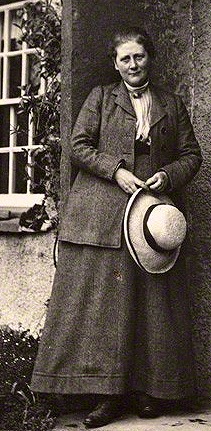
Beatrix Potter’s The Tale of Peter Rabbit and Dr. Seuss’s early manuscripts are among the most well-known examples. Both faced repeated rejection before finding a path to publication. These experiences highlight how fragile the process of bringing a story to life can be.
What makes these cases significant is not just the rejection itself, but what followed. Authors adapted, persisted, and sometimes found alternative routes to publication. Without that persistence, many of these stories would not have become part of cultural memory.
How Peter Rabbit Went From Six Rejections to 45 Million Copies
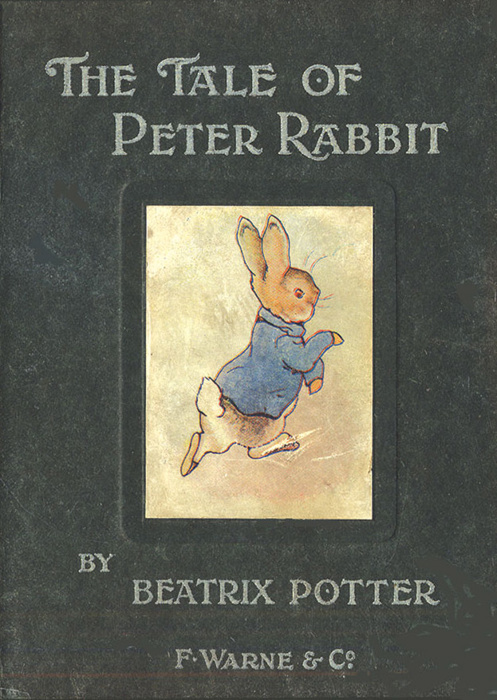
Beatrix Potter’s journey with The Tale of Peter Rabbit reflects a clear example of creative independence. After being rejected multiple times, she chose to self-publish the book in a small, carefully designed format. This decision allowed her to maintain control over both the content and presentation.
The book’s success demonstrated that children’s literature could benefit from thoughtful design as much as storytelling. Its small size, simple language, and detailed illustrations made it accessible and engaging for young readers. These elements later became standard features in children’s publishing.
Within a year, one of the publishers who had initially rejected her agreed to distribute the book. Its rapid success showed that audience reception could differ significantly from industry expectations. Potter’s approach reshaped how children’s books were produced and marketed.
The $50 Bet Behind Two of Dr. Seuss's Most Beloved Books
When publisher Bennett Cerf bet Theodor Geisel $50 in 1960 that he couldn't write a bestselling children's book using fewer than 100 unique words, he thought he was making a safe wager. Geisel raised the stakes by limiting himself to exactly 50 words. This publisher wager sparked constrained creativity that produced Green Eggs and Ham.
Here's what that $50 bet delivered:
- A 62-page manuscript using precisely 50 unique words, featuring Sam-I-Am
- The fourth highest-selling English-language children's book ever published
- Over 8 million copies sold, generating $600 million in sales
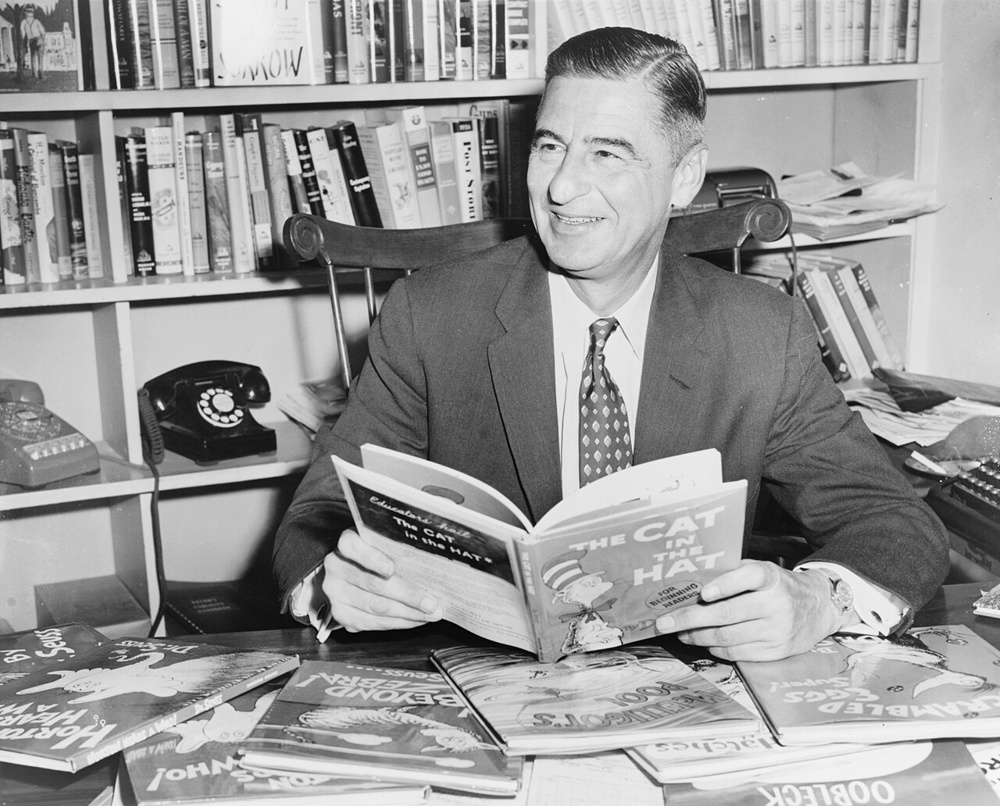
You can trace this success back to an earlier constraint — William Spaulding's 1957 challenge that produced The Cat in the Hat which had already sold one million copies. That earlier book was itself built around a 225-word vocabulary, drawn from a 348-word list designed to match the reading level of first-grade students.
Why Goodnight Moon Failed Before Becoming a Classic Children's Book
Illustration censorship also shaped the book's journey. Illustrator Clement Hurd removed a mouse from the bunny's bed and a cow's udder to appease librarians and parents. HarperCollins later digitally erased a cigarette from Hurd's dust jacket photo.
Despite these obstacles, word-of-mouth and growing bookstores transformed Goodnight Moon into a global classic, ultimately selling over 40 million copies. The book, published in 1947 by Margaret Wise Brown, was a radical departure from the moral fables that dominated mid-20th-century children's literature. Much like the Surrealist movement sought to bridge the gap between dreams and reality by tapping into the subconscious mind.
Brown's quiet, dreamlike narrative invited children into an imaginative world that defied conventional storytelling norms. This shift away from moralistic storytelling was not unique to Brown; decades earlier, Lewis Carroll's Alice's Adventures in Wonderland had revolutionized children's literature by embracing nonsense, wordplay, and pure imagination over the didactic tales that once dominated the genre.
Crack open more surprising facts and trivia from the world of children’s books.
Where the Wild Things Are Started as Failed Horse Drawings
Maurice Sendak’s Where the Wild Things Are began with a limitation that changed its direction entirely. Unable to draw horses effectively, he shifted the concept to focus on imaginative creatures instead. This adjustment became central to the book’s identity.
The “wild things” were inspired by personal experiences, giving them a distinct and memorable character. Their exaggerated features and expressive behavior created a visual language that felt both unusual and relatable. This approach allowed the story to explore complex emotions through imagery.
The final result was a book that challenged traditional expectations of children’s literature. It addressed themes of anger, imagination, and independence in a way that felt honest rather than instructional. Sendak’s adaptation turned a limitation into a defining strength.
Clifford Was Almost Named Tiny: And That Changes Everything
Maurice Sendak saved his book by swapping horses for monsters—but what if another beloved character had been saved by swapping a name? Norman Bridwell originally called his giant red dog "Tiny," a name his wife Norma quickly rejected as silly. Instead, she suggested "Clifford," borrowed from her childhood imaginary friend—a perfect example of childhood collaboration shaping literary history.
That name's irony defines everything about Clifford's identity. "Tiny" would've undercut the character's entire appeal, reducing a lovable giant to a throwaway joke. "Clifford" carries warmth and personality, giving the enormous dog a name that feels genuine rather than ironic. Norma's contribution during the 1962 portfolio development proved decisive. Without her input, the 1963 Scholastic book might've landed very differently—or not at all.
The little girl who befriends Clifford was named Emily Elizabeth after Bridwell's own daughter, adding yet another layer of personal history to the book's origin. Much like how regulatory approval and technological readiness had to converge before drone delivery could become a commercial reality, the perfect alignment of a name, a character, and a publisher's timing made Clifford's debut possible.
More Classic Children's Books With Surprisingly Strange Backstories
While Clifford's naming story reveals how collaborative childhood imagination shaped literary history, it's hardly the only classic children's book carrying a surprisingly strange backstory. Several beloved titles hide macabre origins and author controversies beneath their cheerful covers:
- *In the Night Kitchen* faced widespread challenges due to its child nudity, despite Sendak's deliberately non-judgmental intent
- *Heckedy Peg* transforms children into food as punishment, presenting darkness through a witch's cruelty
- *The Stinky Cheese Man* built its legacy on deliberate absurdity, influencing authors like Mac Barnett for decades
You might assume children's literature stays safely sanitized, but these books prove otherwise. Their strange backstories didn't diminish their cultural impact — they arguably intensified it, making these titles genuinely unforgettable. Wolf Erlbruch's Duck, Death and the Tulip introduces Death as a personified companion who gently accompanies a duck, treating mortality not as a horror but as a quiet, continuous presence.
(NEW) The Role of Illustration in Defining Classic Stories
Illustration plays a fundamental role in shaping how children experience stories. In many classic books, the visual elements are as important as the text itself. They guide interpretation, establish tone, and create emotional connections.
Artists like Beatrix Potter and Maurice Sendak used illustration to expand the narrative beyond words. Details in their artwork add layers of meaning, encouraging readers to engage more deeply with the story. This interaction between text and image is a defining feature of children’s literature.
Over time, these visual styles become part of cultural memory. Recognizable illustrations contribute to a book’s identity, making it instantly familiar across generations. This lasting impact highlights the importance of visual storytelling.
How Classic Stories Adapt Across Generations
Classic children’s stories remain relevant because they adapt to changing audiences. New editions, formats, and interpretations allow them to reach readers in different contexts. This flexibility ensures their continued presence.
Adaptations may include updated illustrations, language adjustments, or multimedia versions. While these changes reflect modern preferences, they often preserve the core elements of the original story. This balance allows the narrative to remain recognizable while evolving.
The ability to adapt is a key factor in longevity. Stories that can be reinterpreted without losing their essence continue to resonate. This adaptability keeps them connected to new generations of readers.
The Cultural Impact of Childhood Storytelling
Children’s stories play a significant role in shaping cultural values and shared experiences. They introduce ideas about relationships, behavior, and imagination in ways that are accessible and engaging. These lessons often remain influential throughout life.
The repetition of these stories across generations creates a shared cultural foundation. Parents pass them down, teachers incorporate them into learning, and communities recognize them as common references. This continuity strengthens their impact.
As a result, children’s literature becomes more than entertainment. It contributes to how people understand the world and relate to others. Its influence extends beyond childhood, shaping perspectives and cultural identity.
What Every Book on This List Has in Common
Despite their differences, these stories share several key characteristics. They focus on themes that remain relevant across time, such as curiosity, resilience, and emotional growth. These themes provide a foundation that allows them to connect with readers.
Another common element is their respect for the reader. Rather than simplifying experiences, they present emotions and challenges in an honest way. This approach encourages engagement and reflection. These shared qualities explain their lasting appeal. They are not limited to a specific era or audience. Instead, they continue to resonate because they address universal aspects of human experience.
Classic Children's Books Worth Reading With Your Kids Right Now
Many classic children’s books remain valuable for shared reading experiences. Titles like The Secret Garden and The Lion, the Witch and the Wardrobe offer engaging narratives that encourage imagination and discussion. Their themes provide opportunities for meaningful conversation.
Books such as Anne of Green Gables and Charlotte’s Web explore relationships and personal growth in ways that are accessible to different age groups. These stories balance entertainment with emotional depth, making them suitable for both children and adults.
Reading these books together creates a shared experience that strengthens connection. It allows families to engage with stories that have influenced generations, reinforcing their relevance in contemporary life.
Conclusion
Classic children’s stories continue to matter because they reflect both creativity and resilience. Their origins reveal the challenges involved in bringing new ideas to life, while their lasting success demonstrates the value of persistence. These books shaped how stories are written, illustrated, and shared. Their influence extends beyond literature, affecting education, culture, and communication.
They remain relevant because they continue to connect with readers. Ultimately, their significance lies in their ability to endure. They adapt, resonate, and remain part of cultural memory, showing that meaningful storytelling can transcend time.