Books Featuring the DFW Metroplex You Should Read Before Visiting
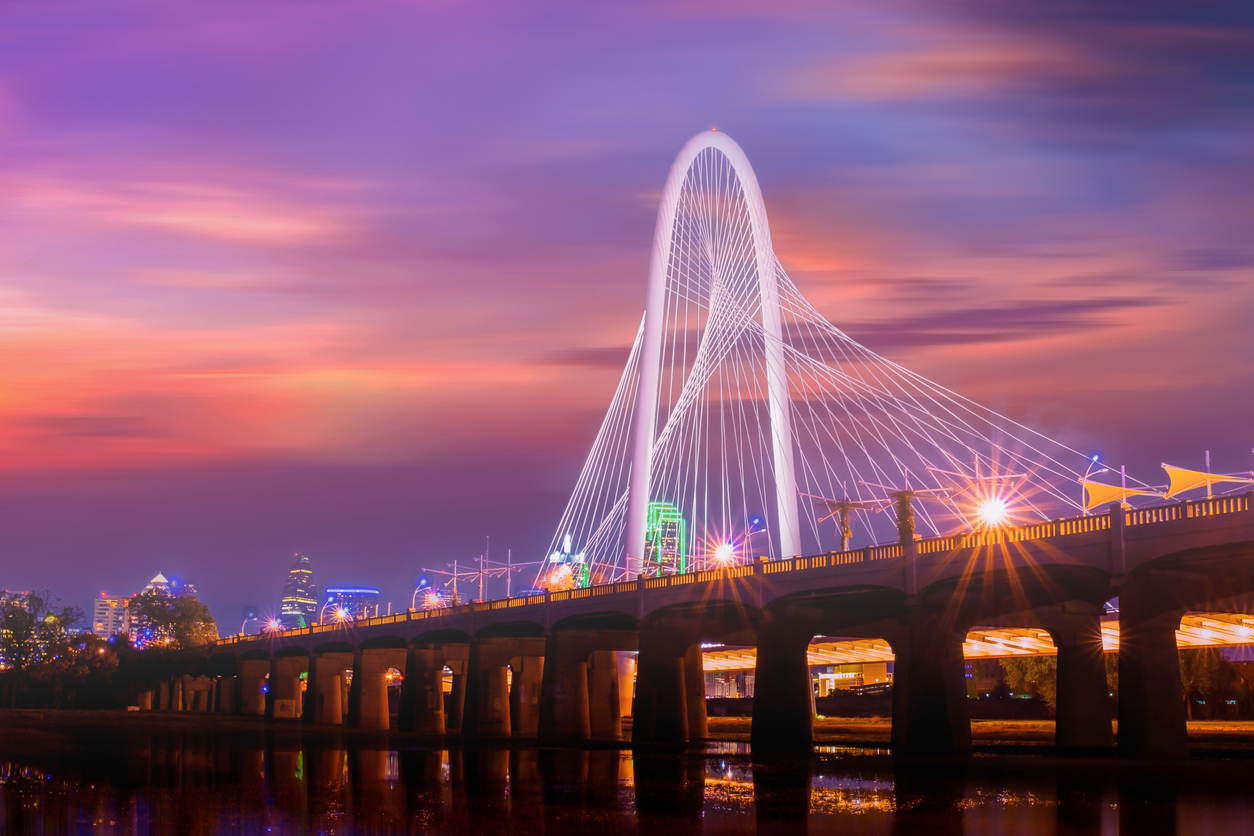
Reading about the Dallas–Fort Worth Metroplex before visiting adds depth to your experience, helping you understand the region’s history, culture, and identity beyond its skyline. Start with historical accounts like Dallas 1963 by Bill Minutaglio and Steven L. Davis, which explores the political climate leading up to President John F. Kennedy’s assassination. Pair it with Six Seconds in Dallas by Josiah Thompson for a detailed examination of the events in Dealey Plaza. For modern perspectives, novels like Kathleen Kent’s The Dime introduce readers to Dallas through crime and law enforcement, while Amy Poeppel’s Small Admissions and related works reflect life in affluent neighborhoods such as Preston Hollow. These books provide a layered view of Dallas—from its turbulent past to its evolving urban culture—offering context that enriches any visit.
Dallas History from Frontier Settlement to Modern Metropolis
Dallas began as a trading post established by John Neely Bryan in 1841 along the Trinity River. Its location near major travel routes helped it grow quickly into a commercial hub. The city was incorporated in 1856, and by the early 20th century, it had become a major economic center. The construction of the Praetorian Building in 1909, one of Texas’s first skyscrapers, symbolized Dallas’s rapid modernization. Population growth accelerated through the late 19th and early 20th centuries, fueled by railroads, banking, and commerce. Today, Dallas remains one of the largest metropolitan areas in the United States.
Nonfiction on Dallas Architecture, Business, and Urban Growth
To better understand Dallas as a modern city, consider books that explore its architecture, economic rise, and urban development.
- Dallas Architecture, 1936–1986 by David Dillon – Examines the city’s architectural evolution and key structures
- Big D: Triumphs and Troubles of an American Supercity in the 20th Century by Darwin Payne – A comprehensive history of Dallas’s growth, politics, and identity
- The Accommodation: The Politics of Race in an American City by Jim Schutze – Investigates the intersection of development, politics, and race in Dallas
These titles provide valuable context for exploring landmarks such as Downtown Dallas, the Arts District, and Uptown.
Contemporary Dallas Novels: Crime, Society, and Urban Life
View this post on Instagram
Modern fiction set in Dallas highlights the city’s diverse neighborhoods, social dynamics, and economic contrasts. Kathleen Kent’s The Dime follows a New York detective navigating Dallas’s law enforcement culture, offering insight into both the city’s geography and its social tensions. Amy Poeppel’s novels, including Small Admissions, explore elite social circles, private schools, and the lifestyle associated with areas like Preston Hollow. Peter Gent’s North Dallas Forty offers a fictionalized but influential look at professional football culture inspired by the Dallas Cowboys. The novel explores the pressures, injuries, and realities behind the sport’s public image. These novels capture gentrification and urban sprawl transforming Dallas neighborhoods like Deep Ellum, one of the city’s most creative and music-driven districts.
Fort Worth Reading List: Western Heritage, Stockyards, and Ranch Culture
View this post on Instagram
To fully represent the DFW Metroplex, it’s important to include Fort Worth’s identity as “Cowtown,” where ranching, rodeo culture, and Western heritage still shape the city’s character. Books that reflect this side of North Texas include:
- Lonesome Dove by Larry McMurtry – While set across Texas and Montana, this Pulitzer Prize-winning novel captures the spirit of cattle drives and frontier life closely associated with Fort Worth’s history
- The Time It Never Rained by Elmer Kelton – A powerful look at ranch life and drought in Texas, offering insight into the realities behind Western mythology
- Cowtown: An Album of Early Fort Worth by Leonard Sanders (historical photography) – A visual and historical look at Fort Worth’s development as a cattle-trading hub
These works pair especially well with visits to the Fort Worth Stockyards, where daily cattle drives and preserved buildings reflect the legacy described in these books.
JFK Assassination Books for Dallas Visitors
View this post on Instagram
The assassination of President John F. Kennedy in 1963 remains one of the most defining events in Dallas history. Key books to read before visiting Dealey Plaza include:
- Dallas 1963 – Examines the political and social climate surrounding the assassination
- Six Seconds in Dallas – Provides detailed analysis of the shooting
- The Death of a President by William Manchester – A widely read account of the aftermath
- The Warren Report – The official government investigation
These works help visitors better understand the significance of sites like the Sixth Floor Museum at Dealey Plaza.
Race, Politics, and Social Change in Dallas
Dallas’s development has been shaped by race, housing policy, and economic change. During the 20th century, practices such as redlining and housing segregation contributed to long-term disparities in wealth and opportunity. These patterns influenced neighborhood development and continue to shape the city today. Understanding this history provides important context for Dallas’s current social and economic landscape.
Texas Political Culture and Power Structures
Texas politics has long been influenced by relationships between business, government, and local leadership. Rather than focusing on specific unverified claims, it’s more accurate to understand Texas political culture as one shaped by regional influence, economic power, and long-standing networks. This broader perspective helps explain how decisions are made across major metropolitan areas like Dallas–Fort Worth.
Dallas Sports Culture and Identity
Sports play a major role in Dallas’s identity, particularly through teams like the Dallas Cowboys, Dallas Mavericks, and Texas Rangers. North Dallas Forty remains a significant cultural reference point, offering insight into the pressures of professional sports and the business side of athletics. For visitors, this context enhances experiences at stadiums and sporting events across the metroplex.
Cultural Communities and Diversity in the DFW Metroplex
The DFW Metroplex is one of the most culturally diverse regions in Texas. Cities like Irving, Richardson, and Arlington are known for their international communities, with strong representation from Asian, Middle Eastern, and Latin American populations. While fewer mainstream novels focus exclusively on these communities, their influence is visible in local neighborhoods, restaurants, and cultural districts throughout the metroplex.