Great Reads Set Around San Antonio’s History and Culture
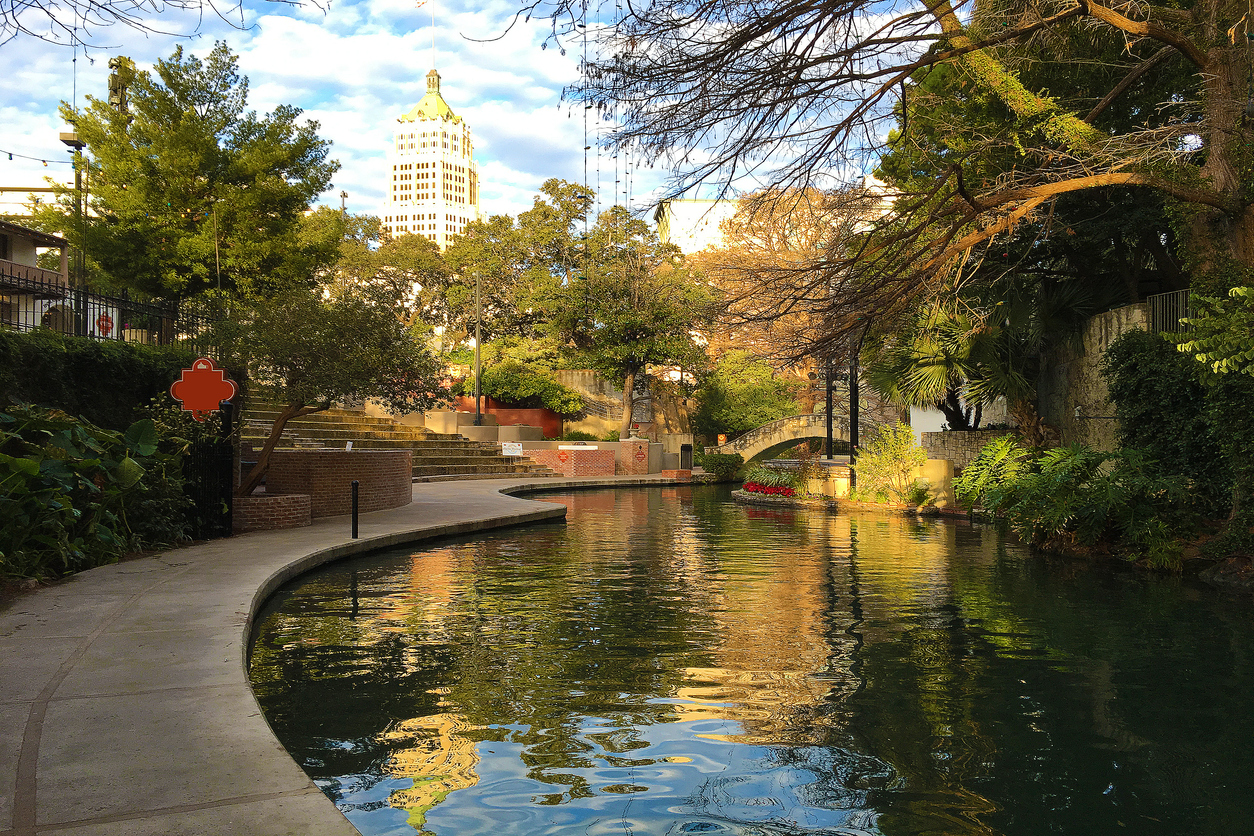
You’ll discover San Antonio’s rich past through books that move far beyond simplified Alamo legends, revealing layered stories of Tejanos, missionaries, Indigenous peoples, and civil rights leaders who shaped this culturally complex region. Stephen Harrigan’s The Gates of the Alamo offers a multi-perspective look at the 1836 siege, while Emma Pérez’s Forgetting the Alamo centers voices often left out of traditional narratives. Biographies of figures like Emma Tenayuca and José Antonio Navarro further illuminate the grassroots struggles that helped define San Antonio and South Texas.
Alamo Historical Fiction and Non-Fiction
View this post on Instagram
Writers exploring the Alamo have increasingly moved beyond simplified heroic narratives to examine the event’s complex historical and cultural impact. Stephen Harrigan’s The Gates of the Alamo presents the siege through a blend of fictional and historical characters, offering perspectives from both Texian defenders and Mexican forces. Emma Pérez’s Forgetting the Alamo takes a revisionist approach, highlighting the experiences of Mexican Americans, Indigenous peoples, and marginalized communities in the aftermath of the Texas Revolution. For historical analysis, Holly Beachley Brear’s Inherit the Alamo examines how memory and preservation efforts shaped the site’s meaning, while Richard Flores’s Remembering the Alamo explores how the narrative evolved into a powerful cultural symbol.
Spanish Colonial Mission Books and Novels
San Antonio’s Spanish colonial missions, designated a UNESCO World Heritage Site in 2015, have inspired both historical scholarship and narrative works focused on early Texas life. Readers interested in this era can explore works such as:
- San Antonio de Béxar: A Community on New Spain’s Northern Frontier by Jesús F. de la Teja
- The San Antonio Missions by Lewis F. Fisher
- Tejano Religion and Ethnicity, San Antonio, 1821–1860 by Timothy Matovina
These books provide insight into mission life, Spanish settlement, and Indigenous interactions, offering essential context for understanding the city’s early development.
Mexican-American Heritage Stories from San Antonio
View this post on Instagram
San Antonio’s identity is deeply shaped by Mexican-American heritage, and many books explore how culture, community, and resilience evolved over time. Works such as Occupied America by Rodolfo Acuña and Tejano Leadership in Mexican and Revolutionary Texas by José A. Ramírez examine the formation of Tejano identity across Spanish, Mexican, and U.S. rule. Other narratives focus on the West Side barrios, where families built strong community networks despite economic and social challenges. These stories highlight themes of cultural preservation, education, labor activism, and political engagement.
Biographies of Iconic San Antonio Figures
San Antonio’s history comes to life through the stories of individuals who shaped the region’s political and cultural landscape. Juan Nepomuceno Seguín played a key role in the Texas Revolution and later served in the Texas Senate, representing Tejano leadership during a time of transition. José Antonio Navarro, a signer of the Texas Declaration of Independence, contributed to the political development of Texas from Mexican rule through statehood. Emma Tenayuca emerged as a powerful labor leader during the 1938 pecan shellers’ strike, advocating for workers’ rights and social justice. Carlos C. Cadena helped advance civil rights through his legal work, including his involvement in Hernandez v. Texas (1954), a landmark Supreme Court case addressing discrimination. Valmo Bellinger, founder of the San Antonio Register, documented and influenced African American life and politics in the city for decades.
Children’s Books About San Antonio History
Young readers can explore San Antonio’s past through engaging and educational books designed for different age levels. Remember the Alamo: Texians, Tejanos, and Mexicans Tell Their Stories introduces multiple perspectives for middle-grade readers, while What Was the Alamo? provides an accessible overview for younger audiences. Books like This Is Texas, Y’all! and San Antonio and the State of Texas: Cool Stuff Every Kid Should Know combine facts, illustrations, and cultural highlights. For early learners, titles like 123 San Antonio introduce local landmarks through colorful visuals and simple concepts.
San Antonio Poetry and Literary Collections
View this post on Instagram
San Antonio’s literary voice is also reflected through poetry and cultural collections that capture the city’s identity and lived experiences.
- The Book of Wounded Sparrows by Octavio Quintanilla (National Book Award longlist)
- Rebozos by Carmen Tafolla, celebrating Mexican-American heritage
- Mexican Dinosaur by C.L. “Rooster” Martinez, exploring barrio identity
For a broader perspective, Texas, Being: A State of Poems, edited by Jenny Browne, includes voices from across the state, including San Antonio.
Western Expansion Novels Set in San Antonio
San Antonio has long served as a backdrop for stories about frontier life, cultural exchange, and political change. Historical novels set in Texas often explore themes such as ranching culture, border conflicts, and early settlement, with San Antonio appearing as a key crossroads between Spanish, Mexican, and American influences. While not all Western novels focus exclusively on the city, its role as a strategic and cultural center during the 18th and 19th centuries continues to shape storytelling about the region.
Contemporary San Antonio Fiction and Memoirs
Modern authors continue to explore San Antonio through fiction, memoir, and cultural storytelling, reflecting the city’s evolving identity. Sandra Cisneros, who has strong ties to San Antonio, offers personal reflections in A House of My Own. Priscilla Oliveras’s West Side Love Story reimagines classic romance through a San Antonio lens, while Johnny Compton’s The Spite House uses the region as a setting for suspense. Other notable works include:
- More Than You’ll Ever Know by Katie Gutierrez
- Valleyesque by Fernando A. Flores
These works explore themes of family, identity, migration, and belonging in modern Texas.
Indigenous Perspectives on San Antonio’s Past
Long before Spanish settlement, the San Antonio area was home to Indigenous peoples such as the Payaya, who called the region Yanaguana, meaning “refreshing waters.” When Spanish explorers arrived in the late 17th century, they renamed the river and began establishing missions, dramatically altering Indigenous life. Mission records and historical studies document both cooperation and conflict, as well as the lasting impact of colonization on Native communities. Today, the legacy of Indigenous peoples is recognized through historical interpretation, cultural events, and preservation efforts connected to the San Antonio Missions.