How Children’s Books Shape Pop Culture Across Generations

Children’s books do far more than entertain—they quietly construct the emotional and cultural frameworks that follow readers into adulthood. Long before audiences engage with blockbuster films, viral franchises, or online fandoms, they encounter stories that define how they understand identity, belonging, and imagination. These early narratives become reference points, shaping how later cultural experiences are interpreted and valued.
Across generations, children’s literature has consistently acted as a cultural engine. It introduces archetypes, builds shared language, and fuels industries that extend far beyond publishing. From fantasy epics to illustrated picture books, these stories form the foundation of modern pop culture, influencing everything from storytelling conventions to global media ecosystems.
Why Childhood Reads Create Memories That Last Decades
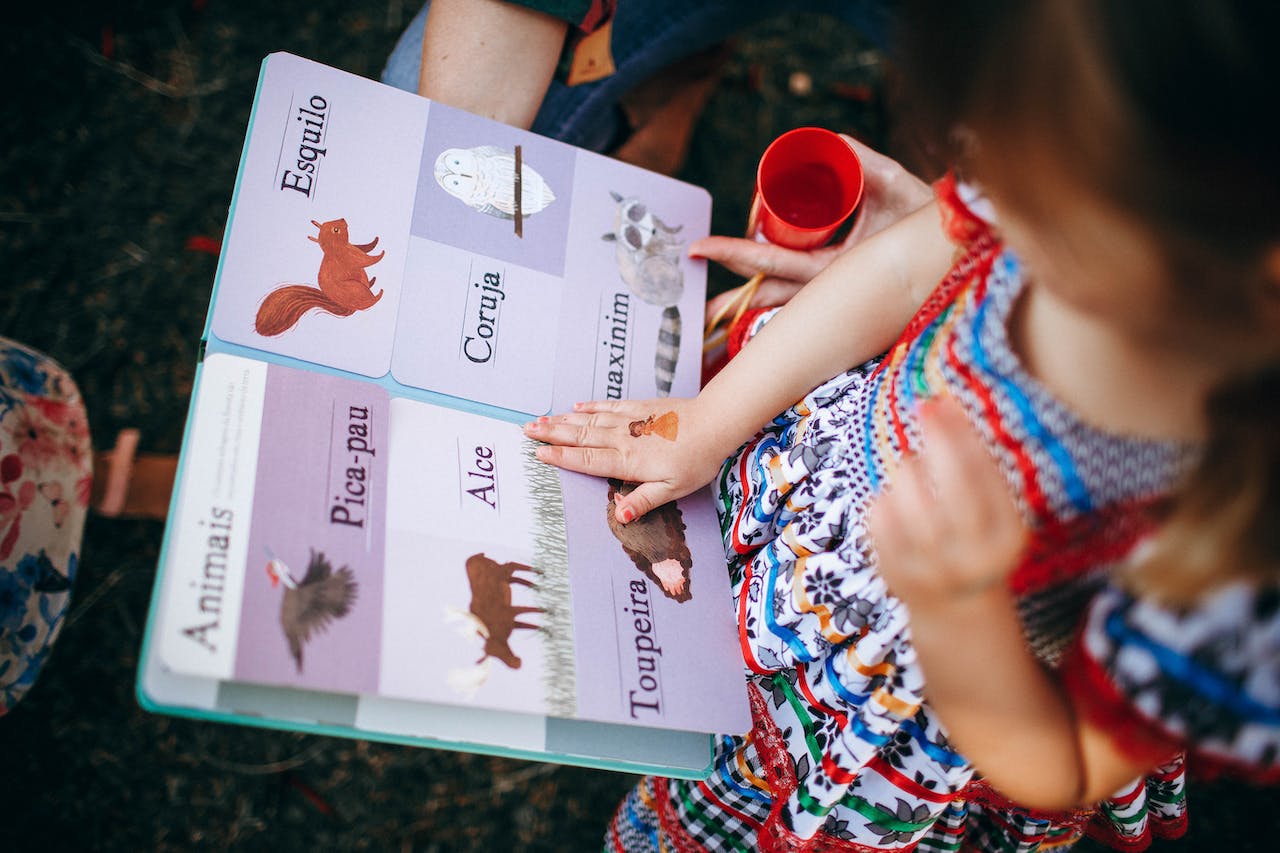
Think back to a childhood book, and you'll likely recall not just the story, but the warmth of being tucked in, the sound of a parent's voice, and the thrill of discovering something new. That's emotional anchoring at work — your brain fuses the story with trust, safety, and excitement, making it nearly impossible to forget.
Sensory encoding deepens this further. When a parent reads aloud, you're absorbing words visually, hearing expressive tones, and feeling physical closeness simultaneously. Your amygdala registers that emotional charge, strengthening the memory's grip. Names like Emmanuel, rooted in the Hebrew meaning "God with us", carry the kind of layered significance that makes certain storybook characters feel timeless and universally resonant.
Repeated sessions carve unique neural pathways, turning stories into lifelong reference points — phrases, characters, and ideas that quietly shape your worldview. Those hundreds of reading hours don't disappear; they become the architecture of who you are. Shared phrases and characters from beloved books create a connective thread between reader and child that persists long after the pages are closed.
The Children's Books That Built Modern Storytelling
Many of today’s storytelling conventions can be traced directly to patterns established in children’s literature. One of the most enduring is the “portal narrative,” where an ordinary protagonist enters an extraordinary world and returns transformed. This structure continues to dominate films, television, and even video games.
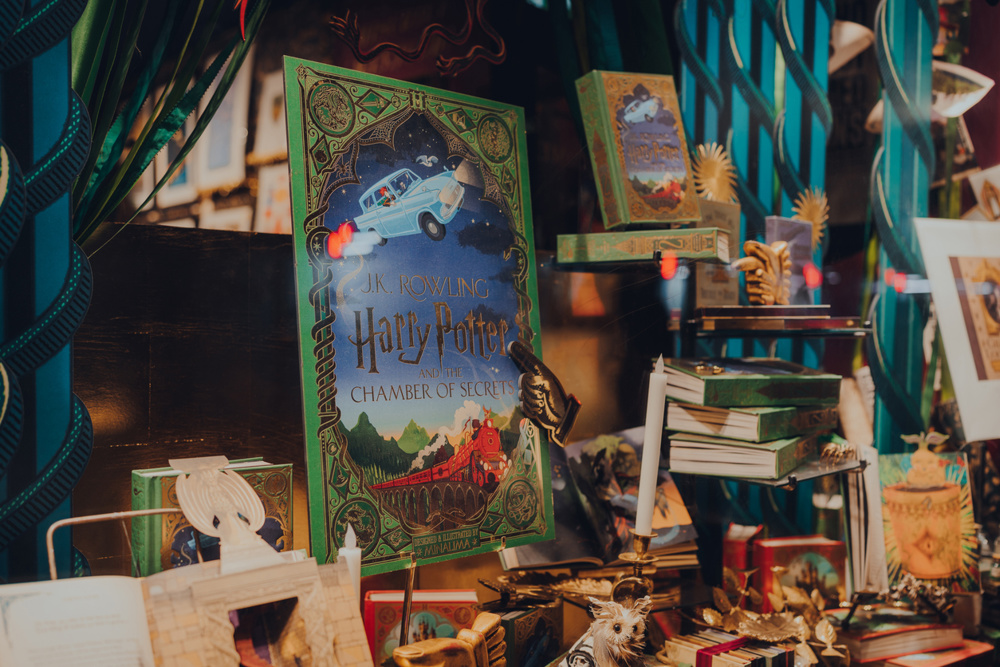
Series like Harry Potter and Percy Jackson modernized these templates by blending mythological or magical elements with contemporary settings. In doing so, they made fantasy more accessible and relevant, allowing readers to see their own struggles reflected in extraordinary circumstances. These stories also introduced themes of identity, difference, and resilience in ways that resonated across age groups.
Picture books contributed to storytelling in a different but equally significant way. By combining minimal text with strong visual narratives, they demonstrated that emotional impact does not depend on complexity. This influence can be seen in modern visual media, from animation to graphic novels, where storytelling often relies on imagery as much as dialogue.
The Books That Defined Each Generation Growing Up
Every generation gets a handful of books that feel less like assigned reading and more like someone finally put words to what you'd been carrying around but couldn't name. These coming-of-age stories create intergenerational resonance by tackling the same core struggles across decades:
- Boomers found validation in The Catcher in the Rye which named adolescent alienation before anyone marketed books specifically to teens
- *Catch-22* and Fahrenheit 451 helped boomers process war anxiety and authoritarian fears
- Gen Z connected through Wonder which examined acceptance through multiple perspectives
- *Percy Jackson* blended mythology with modern reality, making education feel like discovery
The titles change, but the need doesn't. You're always searching for the book that proves your inner world matters. James Baldwin's The Fire Next Time, published in 1963, put a figurative face to racial struggle and opened minds that might have otherwise looked away.
Portal Fantasies and the Worlds Kids Never Left Behind
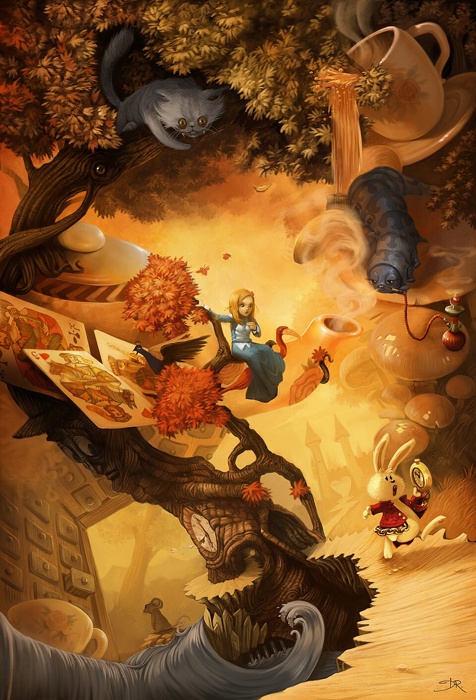
Portal fantasy remains one of the most powerful genres in children’s literature because it captures a universal desire: the possibility that ordinary life contains hidden depth. Stories like Alice’s Adventures in Wonderland, The Chronicles of Narnia, and The Phantom Tollbooth invite readers to imagine that transformation is just one threshold away.
What distinguishes these narratives is their participatory quality. Rather than presenting distant worlds, they position the reader as someone who could plausibly enter them. This creates a lasting sense of possibility that often persists into adulthood.
Modern interpretations of the genre have expanded this concept further, exploring what happens after characters return from these worlds. Themes of displacement and longing suggest that such experiences are not easily left behind. This evolution reflects a broader cultural shift toward examining the psychological consequences of adventure, rather than simply celebrating it.
Check out MrPopCulture.com and learn more about pop culture trends in children’s books.
When Children's Books Became Blockbusters
The books you grew up with didn't stay on shelves — they broke out into multiplexes, merchandise aisles, and cultural conversations that lasted decades. These blockbuster debuts reshaped how publishers approached marketing shifts, turning beloved stories into franchises.
You've watched these evolutions happen repeatedly:
- *Where the Wild Things Are* became a visually stunning film capturing raw childhood imagination
- *Chronicles of Narnia* moved from classroom reading lists to major box office hits
- *How to Train Your Dragon* expanded into animated and live-action franchises
- *The Hunger Games* and Wonder proved print-to-screen pipelines still deliver cultural impact
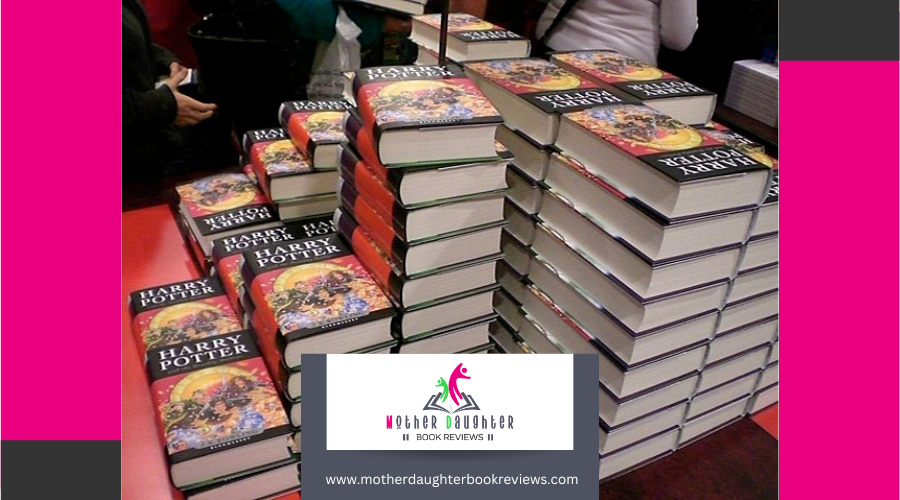
Each adaptation sparks real debate — did the film honor the book? You likely have a strong opinion, and that conversation itself proves children's literature never stopped mattering. The arrival of Harry Potter in 1998 marked the single most noticeable shift in children's publishing, raising the commercial stakes and visibility of the entire industry.
How Nancy Drew and Scrappy Orphans Created Characters We Still Love
Nancy Drew didn't arrive polished and timeless — she was a product of the 1930s, shaped by Depression-era grit and a culture that rewarded bootstrapping independence. Her sleuth evolution reflects both triumphs and troubling origins, including racial stereotyping and coded villainy that modern readers rightly challenge.
Yet her core appeal endures: a capable girl solving what adults couldn't. That spirit traces back further to scrappy literary orphans whose orphan agency redefined childhood heroism. Without parents anchoring them, these characters developed bravery, imagination, and emotional insight that transformed everyone around them.
Today's Nancy — a Gen-Z teen steering through ghosts, murder, and institutional failure with an iPhone — proves the archetype still resonates. You recognize her because she's always been you: resourceful, skeptical, and refusing to wait for someone else to fix things. Over 200 million Nancy Drew books have been sold in the United States since 1930, a testament to how deeply this archetype has embedded itself in American culture.
Why Children's Books Like Harry Potter Create Lifelong Fans?
Some children’s books transcend their original audience and become enduring cultural phenomena. Harry Potter is perhaps the most prominent example, but its success is rooted in principles shared by many influential series.
These stories combine relatable emotional experiences with expansive world-building. Readers are invited to see themselves in the characters while also exploring richly detailed environments that reward long-term engagement. Over time, this creates a sense of attachment that extends beyond the narrative itself.
Fan communities play a crucial role in sustaining this connection. Discussions, reinterpretations, and shared rituals—such as identifying with specific characters or groups—transform individual reading experiences into collective ones. This dynamic ensures that the stories remain relevant across different stages of life.
How Kids' Books Finally Started Reflecting the Real World
For decades, children's books handed you a mirror that only reflected one kind of kid — and if that kid didn't look like you, speak like you, or live like you, the message was clear: your story didn't belong on the shelf. Bishop's 1990 framework named this problem directly.
Representation gaps don't just leave kids invisible — they distort how every child understands the world. Too many mirrors create false uniformity; too many windows erase belonging. Now, books like One Green Apple, Sparkle Boy, and This Is How We Do It are filling those gaps with culturally accurate storytelling.
They don't sanitize differences — they honor it. Publishers are finally treating diverse childhoods as universal, not niche, and that shift changes everything. Stories like that of Ada Ríos, a girl from a Paraguayan town built on a landfill who joined a recycled materials orchestra, prove that children from the margins carry stories powerful enough to reshape what belonging looks like on the page.
Which Children's Books Are Still Shaping Pop Culture?
The line between bookshelf and screen has never been thinner. You're living in a golden era where children's books actively drive pop culture rather than just follow it. From picture adaptations of beloved films to celebrity biographies reimagined for young readers, these titles shape what families watch, read, and discuss together.
Consider which series are currently leading that charge:
- The Bad Guys bridges active readership with theatrical success
- Clifford the Big Red Dog sustained decades of loyalty before his 2021 film
- Little People, BIG DREAMS transforms celebrity biographies into empathy-building tools
- Upside-Down Magic built reader investment before its Disney+ debut
You're not just handing kids books—you're introducing them to franchises that'll define their generation's cultural identity. Quirk Books Pop Classics has leaned into this idea by releasing illustrated storybook adaptations of films like Back to the Future, E.T., and The Karate Kid, designed to introduce beloved movies to the youngest audiences.
How Children's Books Influence Language and Shared Culture
Children’s books also shape the way people communicate. Phrases, character names, and symbolic references often enter everyday language, becoming part of shared cultural vocabulary.
Expressions like “through the looking glass” or references to Hogwarts houses illustrate how literary concepts can transcend their original context. These linguistic influences create a sense of familiarity, allowing individuals to connect through common references even if they come from different backgrounds.
Over time, this shared language strengthens cultural cohesion. It provides a shorthand for complex ideas and emotions, making communication more efficient and meaningful.
The Role of Nostalgia in Sustaining Pop Culture
Nostalgia plays a critical role in maintaining the cultural relevance of children’s books. As readers grow older, revisiting familiar stories can evoke a sense of continuity and comfort.
This emotional connection drives continued interest in adaptations, reboots, and anniversary editions. It also influences consumer behavior, as audiences are more likely to engage with content that resonates with their past experiences.
Importantly, nostalgia does not simply preserve existing stories—it reshapes them. New interpretations often reflect contemporary values, ensuring that these narratives remain relevant while retaining their original appeal.
Conclusion
Children’s books are not simply a stage of reading to outgrow—they are the foundation upon which much of modern culture is built. From shaping emotional memory and storytelling structures to influencing language, identity, and media industries, their impact extends far beyond childhood.
What begins as a simple story often evolves into something much larger: a shared cultural experience that connects individuals across time and place. As new generations encounter these narratives—and reinterpret them in their own ways—the influence of children’s literature continues to expand, quietly shaping the world long after the final page is turned.